Breed overview
Labradors are often enthusiastic eaters, which makes portion control important. A dog that always seems hungry may still be getting enough food, especially if treats and extras are included.
Fresh feeding for Labradors should focus on measured portions, body condition and a routine that does not rely on constant extras.
Portions and body condition
Use current weight and body condition before deciding daily grams. Breed averages are only a starting point, and the plan builder should always use the real dog in front of you.
Watch the waist, ribs, energy and stool quality after feeding begins. Adjust with care if the dog changes weight or activity.
Recipe choice
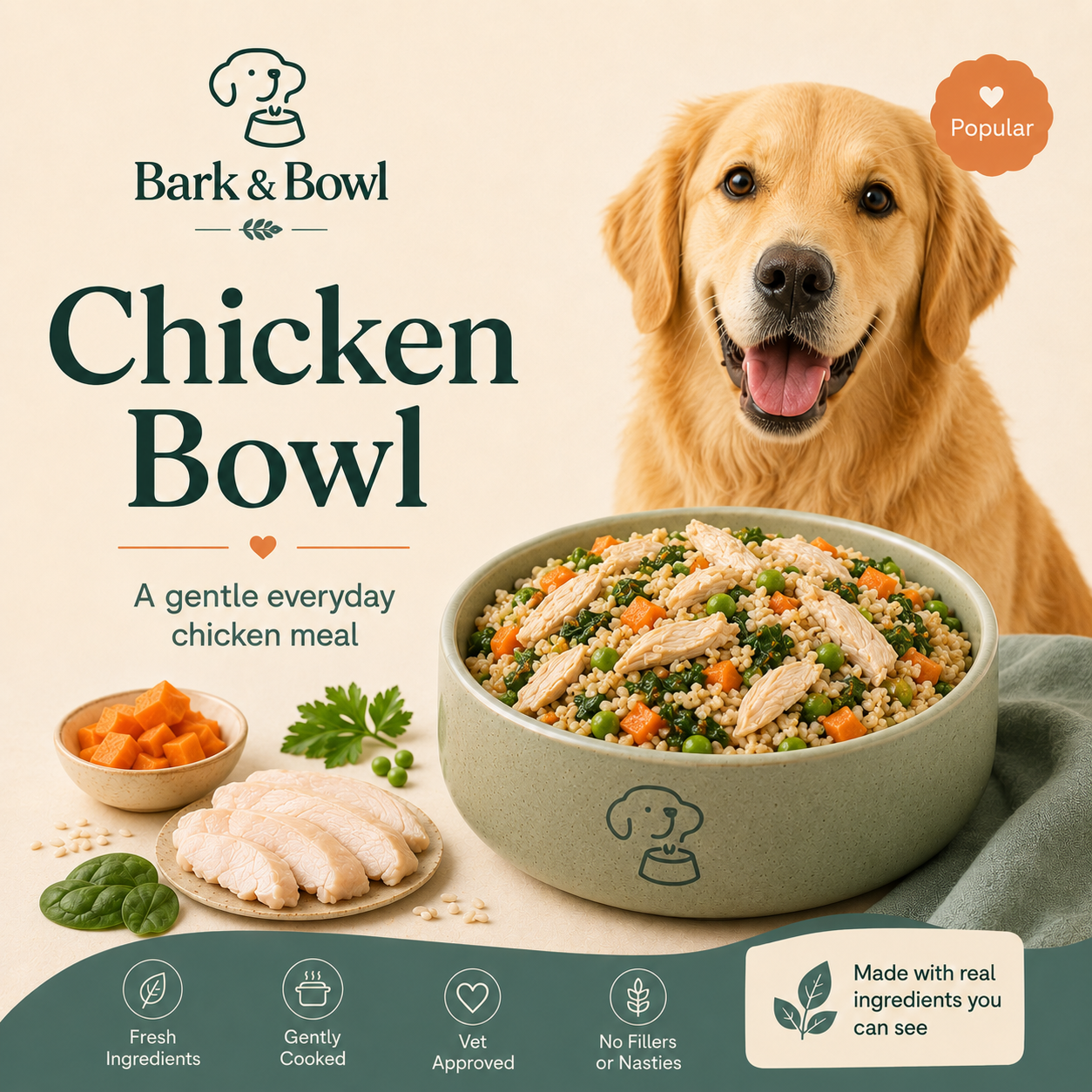
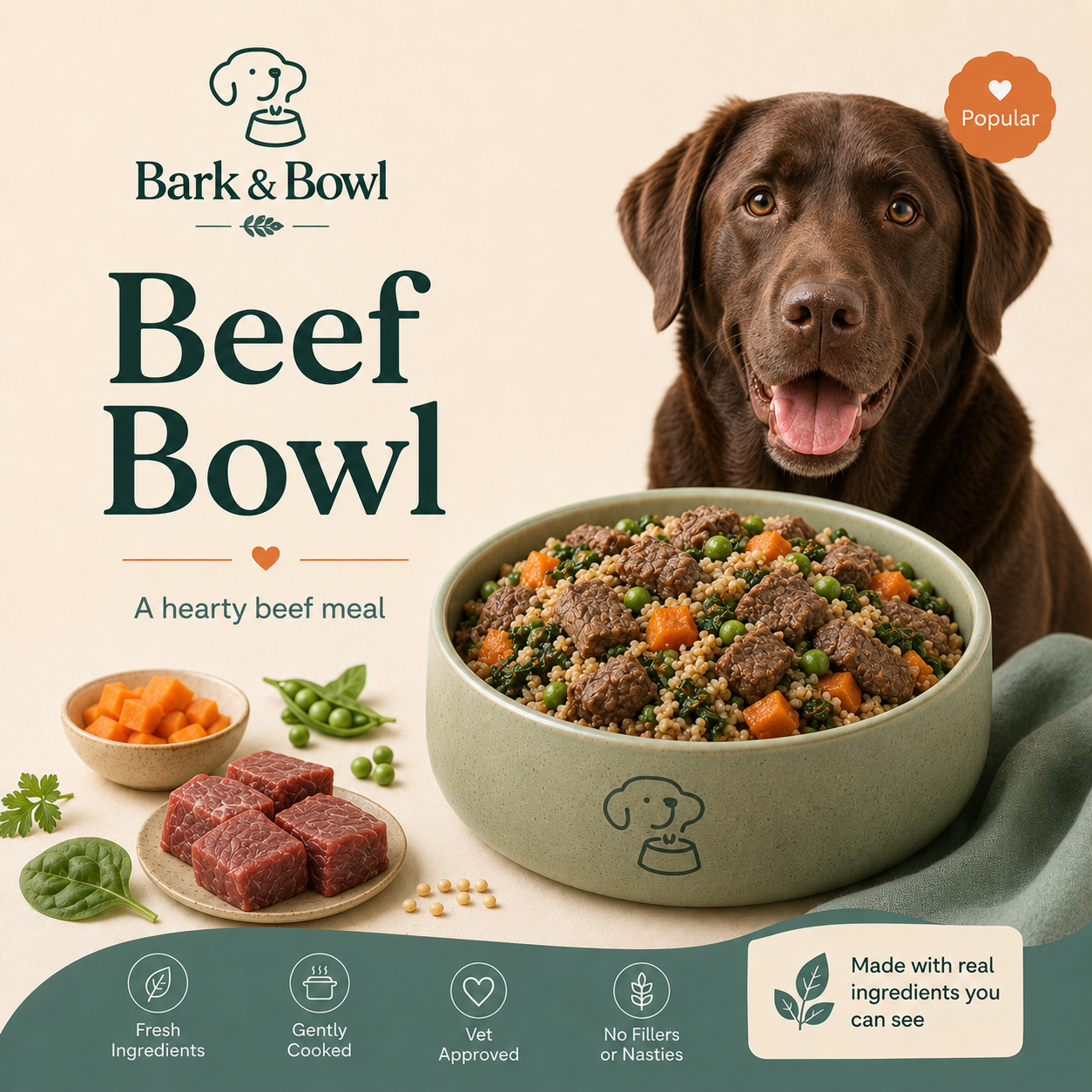
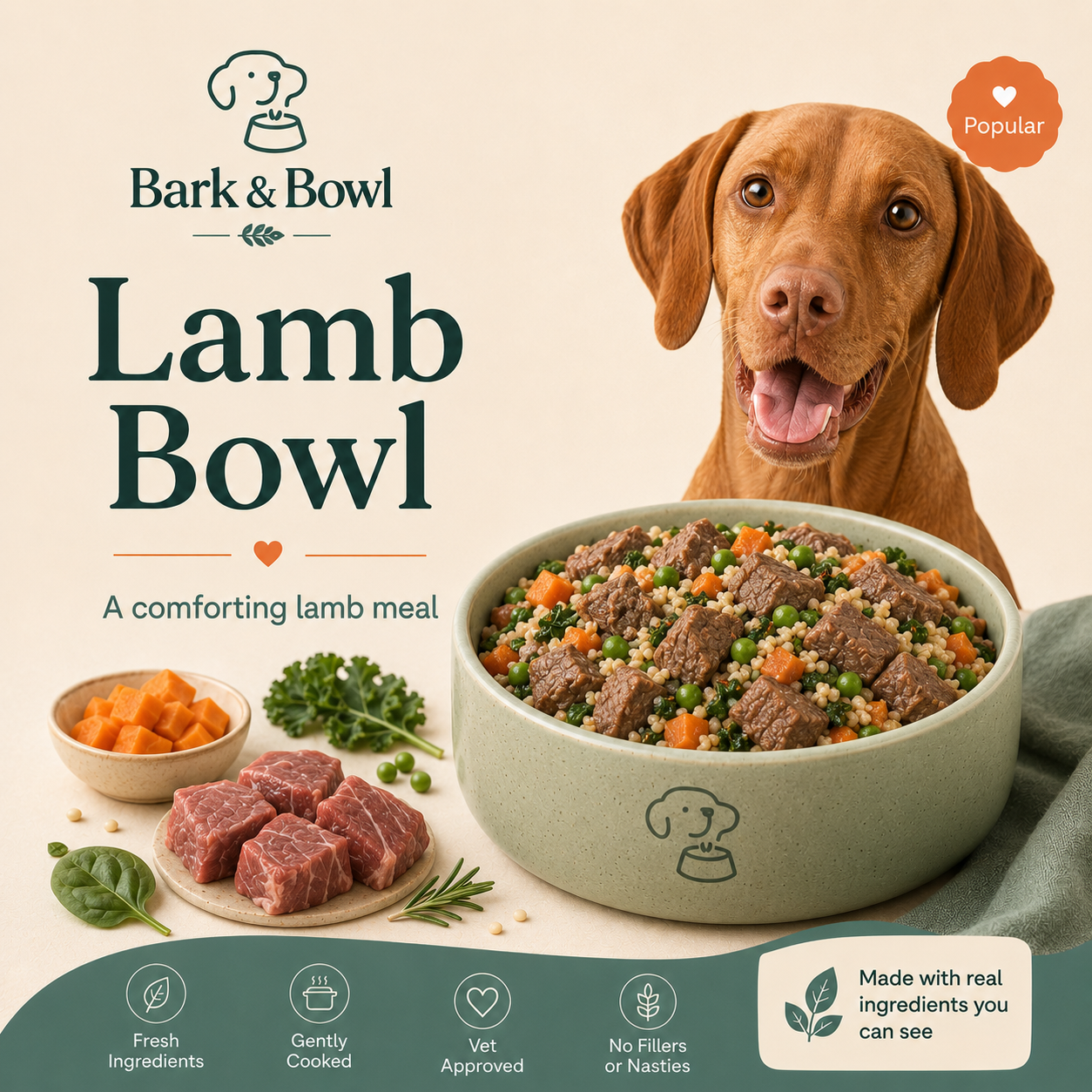
Browse Bark & Bowl recipes to understand the meals, but choose through the wizard so known avoids are checked. If the dog is sensitive, link into the sensitive stomach or hypoallergenic pages before selecting meals.
Some dogs enjoy variety; others do better with a steady meal mix. The right choice depends on digestion, appetite and owner routine.
Treats and training
Breed pages should mention the full day of food. Training rewards, chews and scraps can quietly change the plan.
If the dog is gaining weight or refusing meals, look at extras before blaming the main food.
Build this breed’s plan
Enter breed, age, weight, activity, body condition and known avoids in the Bark & Bowl wizard. That turns breed advice into a portion, recipe mix and delivery rhythm.
Review the plan if the dog grows, slows down, gains weight or develops new sensitivities.
Common Labrador feeding questions
Labrador owners usually want to know how much to feed, which recipes are suitable and whether the dog’s appetite or sensitivity is normal for the breed. The answer still depends on the individual dog.
Use breed information as context, then look at current weight, body condition, activity, stools and appetite.
How to keep the plan accurate
Update the plan if weight changes, activity changes, the dog is neutered, a sensitivity becomes clear or the owner wants to change recipes. A good breed guide should encourage review rather than a fixed lifetime amount.
This is especially important for dogs that move from puppy to adult, adult to senior, or active routine to a quieter home life.
Where this breed page should link
The natural next pages are recipes, portion guidance and the plan builder. If the dog is sensitive, link into the sensitive stomach or hypoallergenic pages before meal choice.
That turns a Labrador search into a useful Bark & Bowl journey instead of a single isolated blog post.
Fresh meals
Fresh meals to explore
Built around your dog
Build a plan around your dog
Answer a few quick questions and Bark & Bowl will recommend portions, recipes and delivery rhythm using your dog’s real details.
Questions answered
Still got questions?
Here are the answers customers usually need before building their dog’s fresh plan.
Can I feed by breed only?
No. Breed helps, but actual weight, age, activity and body condition matter more.
Can I exclude ingredients for this breed?
Yes. Add known avoids in the wizard.
Should active dogs get more food?
Activity affects portions, but body condition should still be monitored.