Why there is no single perfect number
The question sounds simple: how much fresh food should my dog eat? The answer depends on the dog. A fixed scoop or public chart can be a useful starting point, but it cannot see your dog’s body condition, activity, age, appetite, neuter status or known sensitivities.
Bark & Bowl uses the plan builder because fresh food portions need context. The goal is to recommend a daily amount that is practical for the owner and sensible for the dog, then connect it to recipe choice, box size and delivery frequency.
Start with current weight
Current weight gives the first anchor. A 5kg dog and a 35kg dog clearly do not need the same daily amount. But weight alone is not enough. Two dogs at the same weight can have different activity levels, body shapes and goals.
This is why breed averages are treated carefully. The breed feeding guides can help owners understand likely size and appetite, but the dog’s actual weight should be used for the plan.
Check body condition
Body condition tells you whether the current routine is working. If ribs are difficult to feel and the waist has disappeared, portions and treats may need attention. If the dog is too lean or losing weight, the plan needs a different conversation and possibly veterinary advice.
Owners do not need to change portions dramatically without watching the dog. Fresh feeding works best when the plan is followed consistently and then reviewed against body condition over time.
Activity changes the daily amount
An active working dog, a young spaniel on long walks and a relaxed indoor senior can all need different feeding even at similar weights. Activity is one of the reasons Bark & Bowl asks more than just breed and age.
Be honest in the wizard. Overstating activity can push food too high. Understating activity can leave an energetic dog short. A useful plan depends on realistic answers.
Remember treats and extras
Daily food is not just the main bowl. Training treats, chews, leftovers, lick mats and snacks all add up. Small dogs are especially affected because a few extra treats can become a meaningful part of the day’s intake.
If weight management is a concern, read obesity and weight management in dogs before assuming the main meal is the only issue.
Turn daily grams into delivery rhythm
Fresh dog food needs to arrive in useful quantities. Once daily grams are known, Bark & Bowl can calculate pack count, box size and delivery frequency. A small dog may need a different rhythm from a large dog because the food lasts longer.
This is where a subscription becomes more than a product page. The plan connects the dog’s portion to delivery so the owner is not left guessing how often to order.
The best way to get your number
Use this guide to understand the logic, then use the Bark & Bowl plan builder to calculate your dog’s recommendation. Enter current details, known avoids and honest activity information.
After feeding starts, keep an eye on body condition, stools, appetite and energy. If something changes, update the plan or speak to a vet where health concerns are involved.
Fresh meals
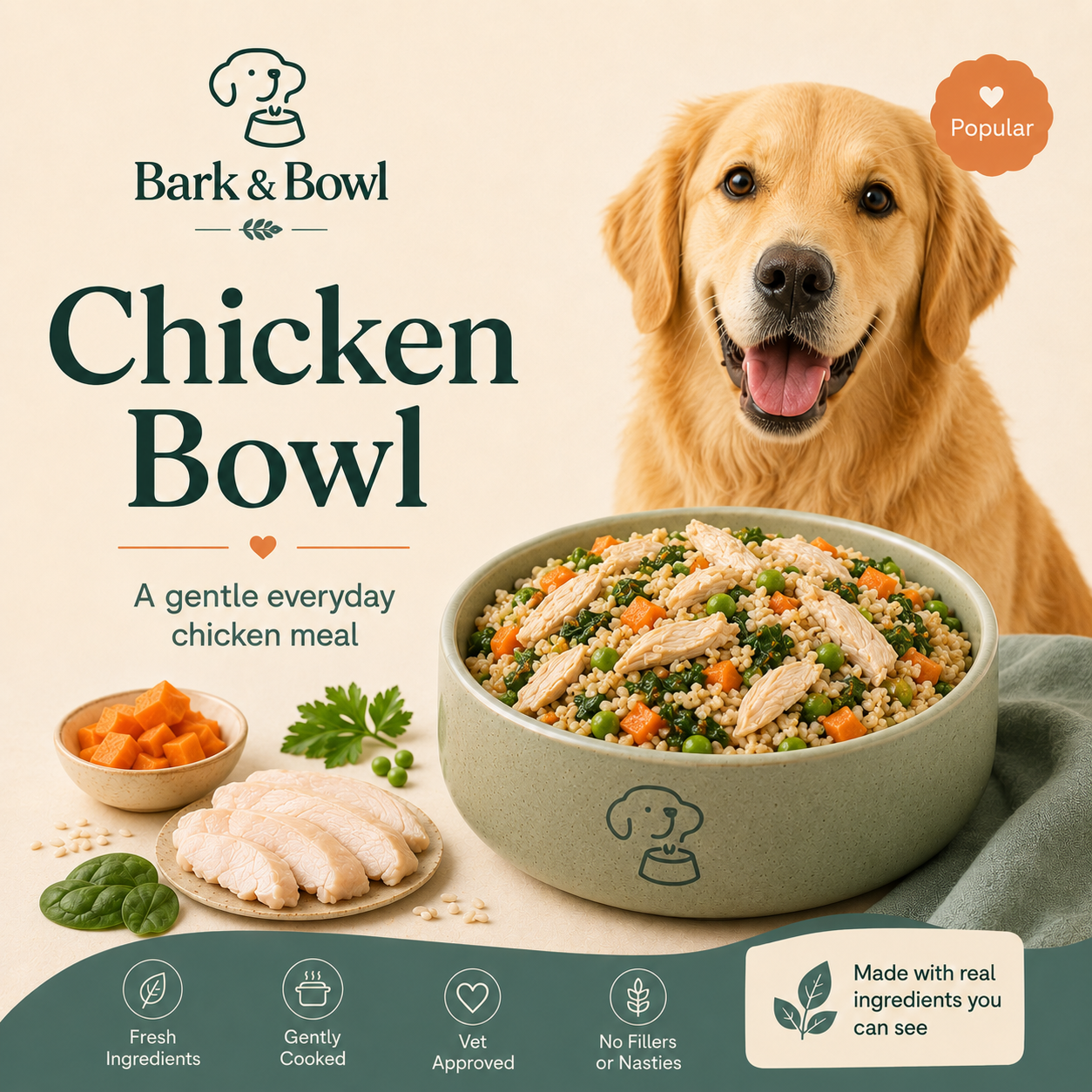
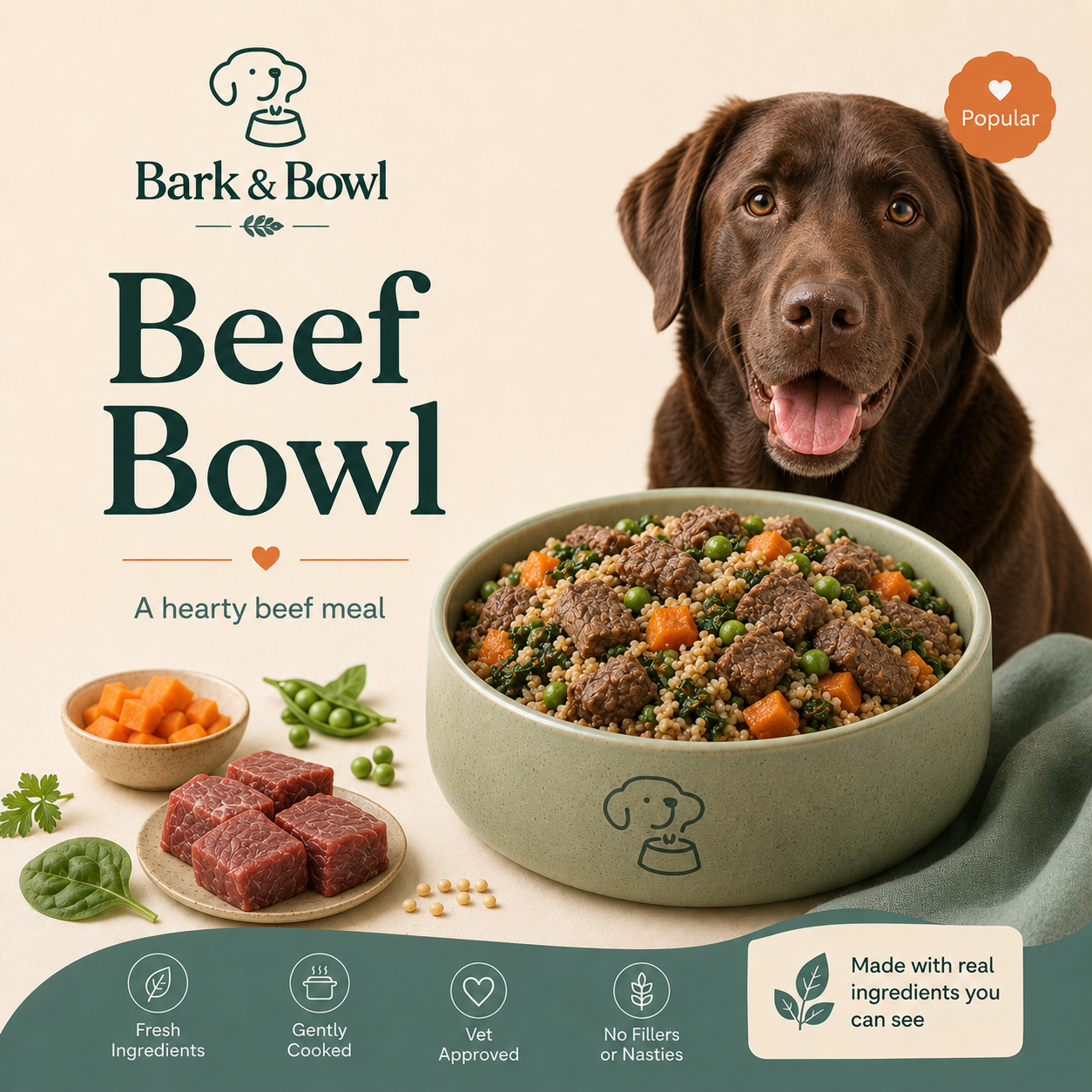
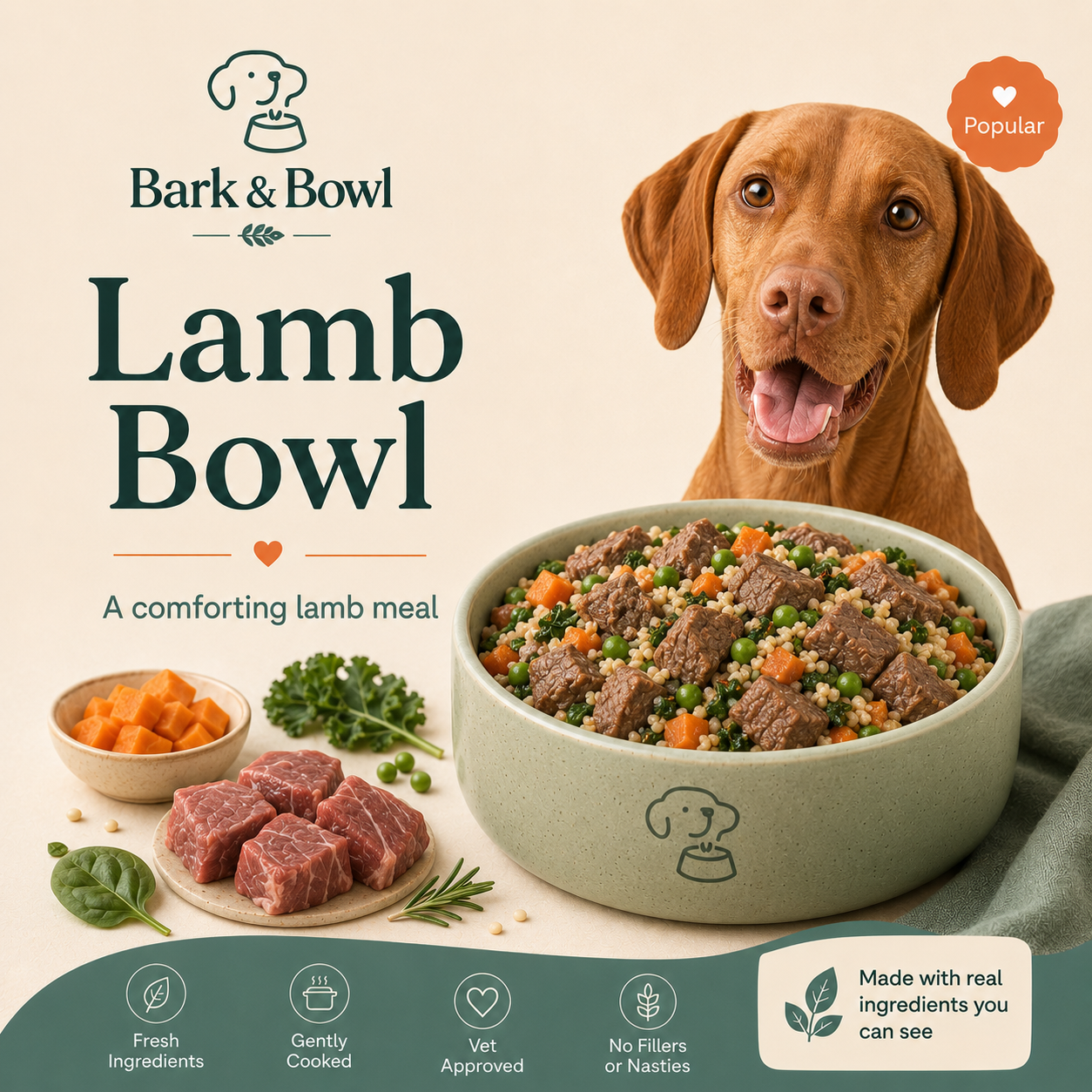
Fresh meals to explore
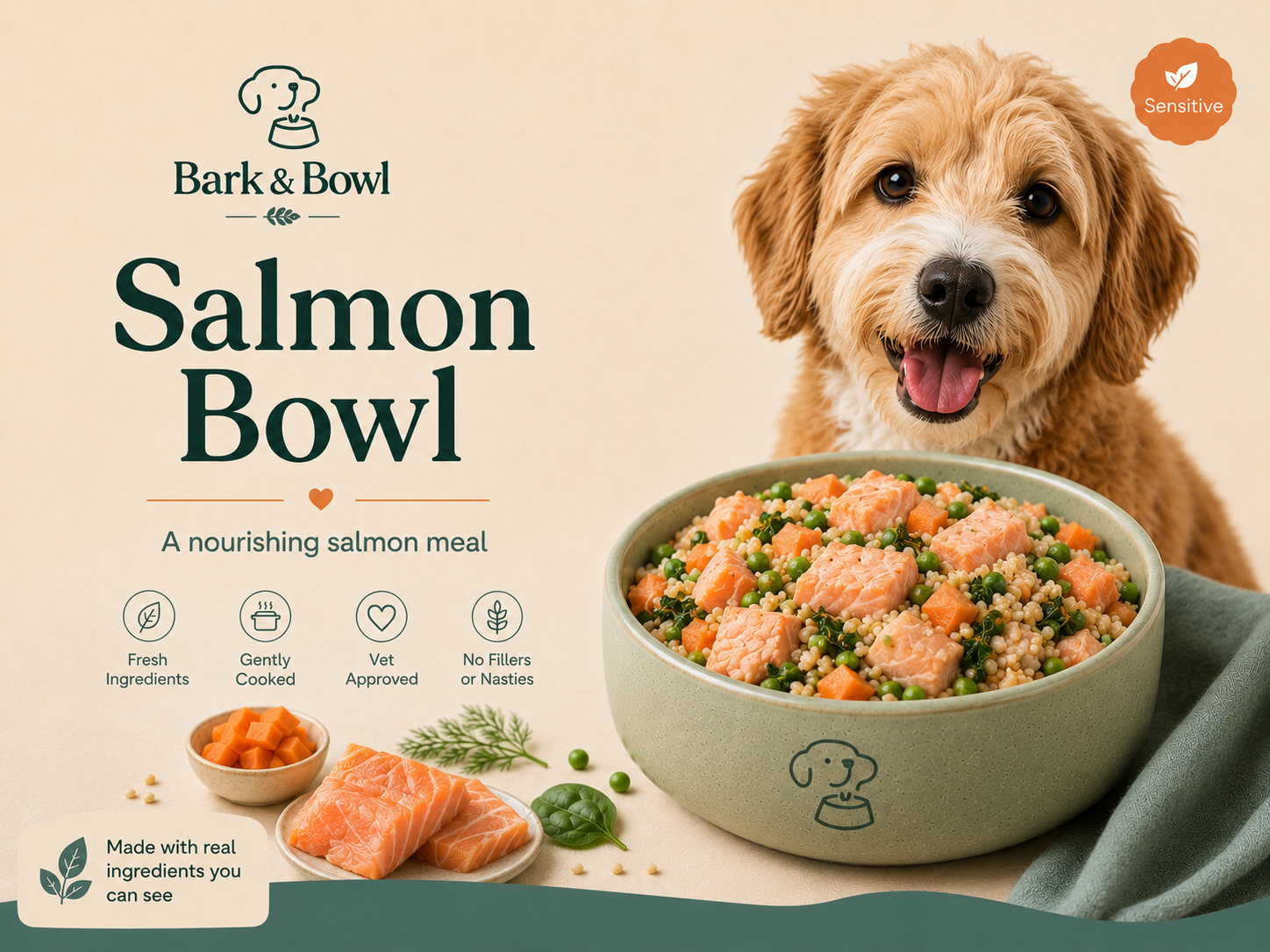
Built around your dog
Build a plan around your dog
Answer a few quick questions and Bark & Bowl will recommend portions, recipes and delivery rhythm using your dog’s real details.
Questions answered
Still got questions?
Here are the answers customers usually need before building their dog’s fresh plan.
How often should I recalculate portions?
Recalculate when weight, activity, age, body condition or health changes.
Do treats count?
Yes. Treats and extras should be considered alongside the main fresh food portion.
Why does delivery frequency change?
It depends on daily grams, pack size and how quickly your dog will use the food.