Fussy eating is often a pattern
Some dogs refuse food because they feel unwell, but many become selective through routine. They learn that waiting brings toppers, hand-feeding, treats or a completely different meal. Owners mean well, yet the pattern can make ordinary feeding harder.
Fresh food may help because smell and texture can be more inviting, but it should not be used as a daily bargaining chip. The aim is a meal the dog enjoys and a routine the owner can repeat.
Rule out sudden health changes
A dog that suddenly stops eating, loses weight, vomits, has diarrhoea or seems flat should not be treated as simply fussy. Veterinary advice is the safe starting point.
For dogs that are otherwise well but selective, focus on portion size, treats, mealtime routine and recipe suitability.
Make the bowl interesting without chaos
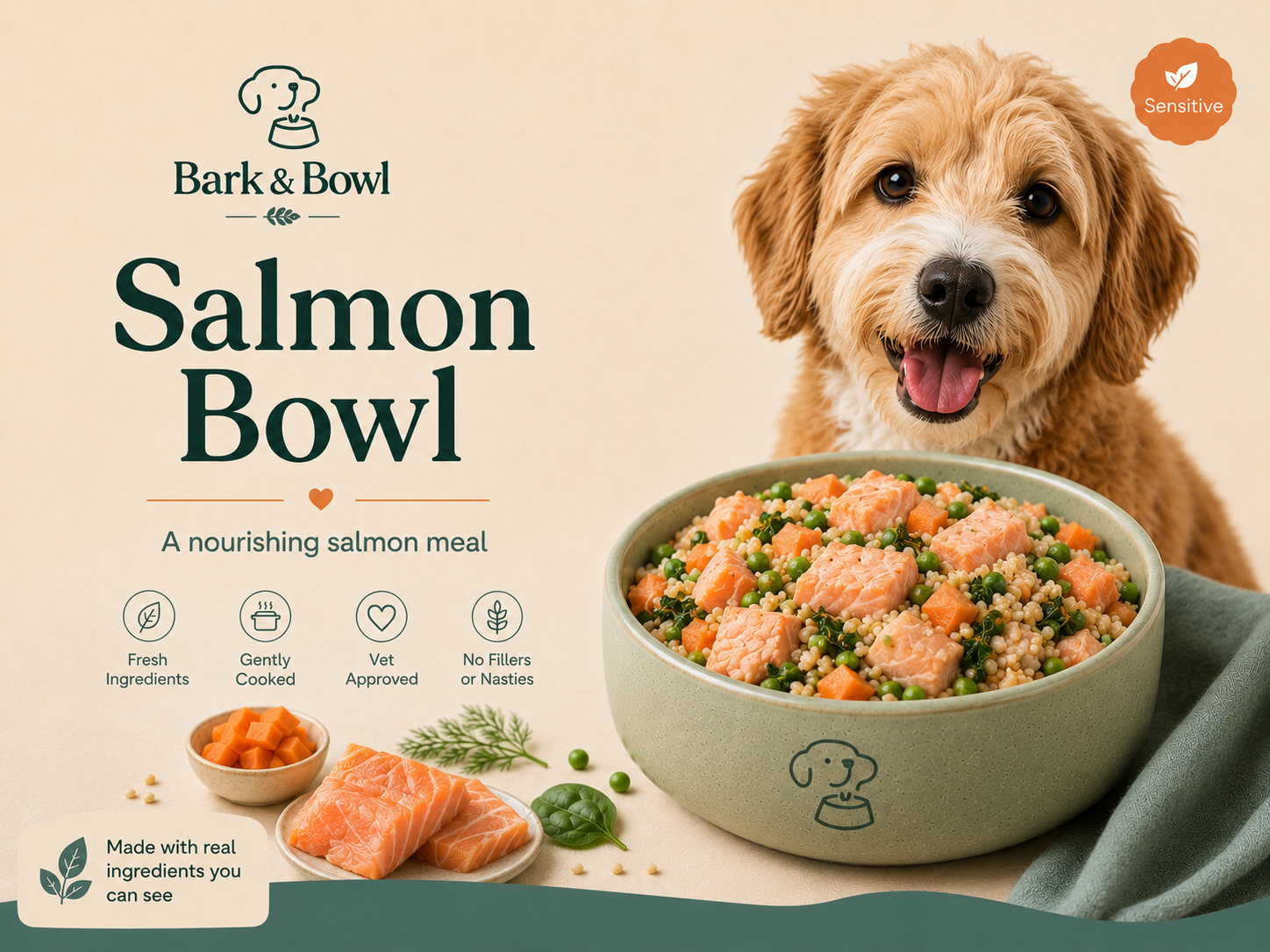
Fresh meals can feel more appealing than dry food because of aroma and texture. That can encourage interest, especially where a dog has been bored or inconsistent with previous food.
Keep the recipe choice sensible. If the dog has known avoids, enter them in the wizard before meals are chosen. Do not rotate so quickly that digestion or behaviour becomes harder to read.
Watch treats and leftovers
A fussy dog may be eating more than the owner thinks. Training rewards, chews and scraps can reduce appetite for the actual meal. This is especially common in smaller dogs.
Use measured meals as the baseline. Then decide where treats fit rather than letting extras drive the dog’s appetite.
Build the plan and stick with it
The plan builder gives you a portion, recipes and delivery rhythm. Once the plan starts, give the dog time to understand the new routine.
If you constantly upgrade the bowl when the dog hesitates, you may teach them to wait. If the meal suits the dog and health is not a concern, calm consistency is usually more useful than panic switching.
Create a fair test
A fresh plan needs enough consistency to judge it. If the dog is offered a different upgrade every time they hesitate, the owner never learns whether the food itself suits them.
Choose suitable recipes, serve them calmly and keep treats under control. A fair test does not mean ignoring the dog; it means giving the routine a chance before changing direction.
When fussiness is really overfeeding
Some dogs refuse meals because they are not hungry enough. Treats, chews and leftovers can quietly fill the gap, especially for small dogs. The owner then worries about the main meal when the extras are the real issue.
Measure the main food and be honest about the rest of the day. If the dog is healthy and weight is steady, the feeding routine may need tightening rather than constant new recipes.
How Bark & Bowl guides fussy owners
Bark & Bowl links fussy dog guidance into the plan builder because portion and recipe choice both matter. A fussy dog still needs the right daily amount, not just the most exciting bowl.
After the plan is created, customers can use the account area to make thoughtful changes rather than panic switching every meal.
Fresh meals
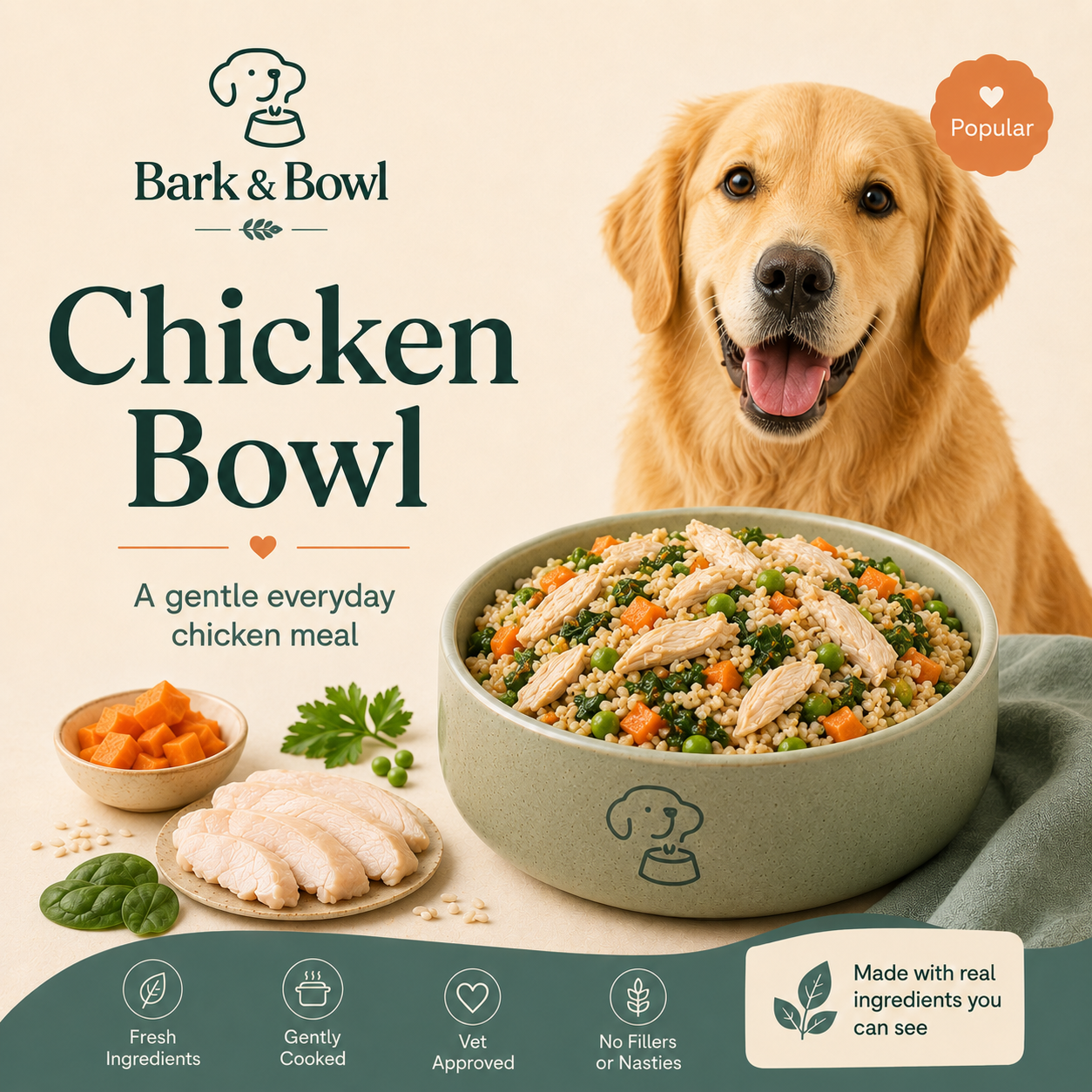
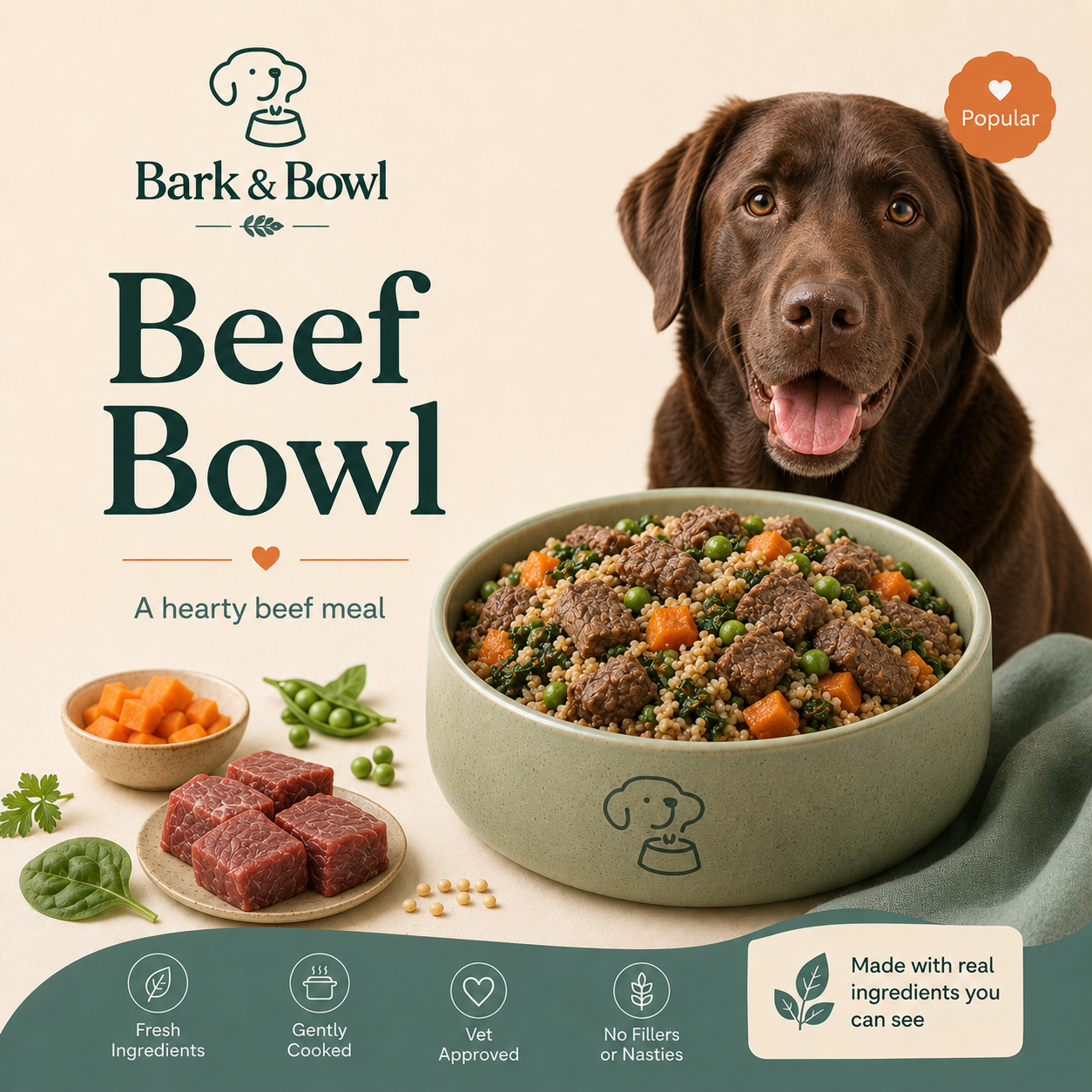
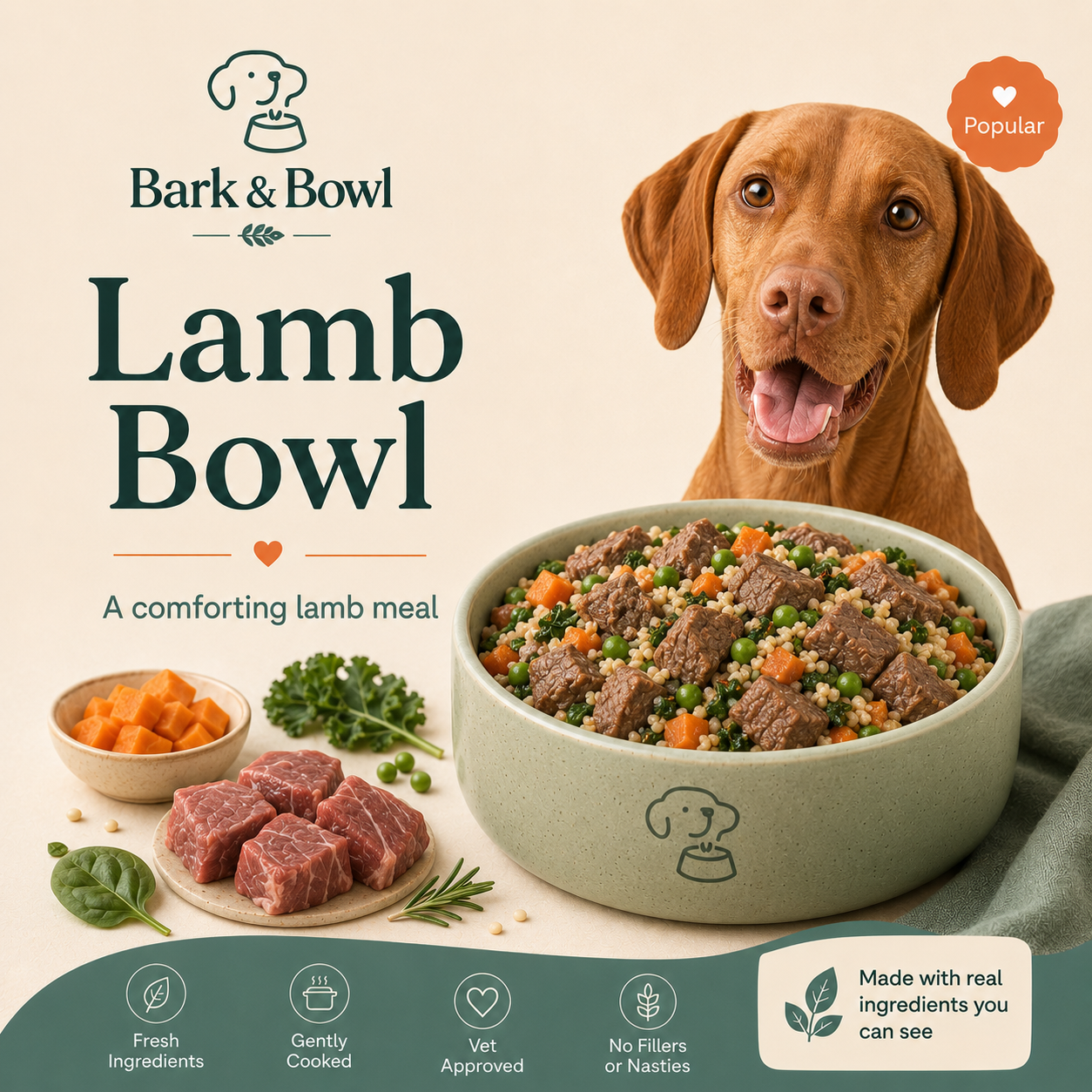
Fresh meals to explore
Built around your dog
Build a plan around your dog
Answer a few quick questions and Bark & Bowl will recommend portions, recipes and delivery rhythm using your dog’s real details.
Questions answered
Still got questions?
Here are the answers customers usually need before building their dog’s fresh plan.
Can fresh food help fussy dogs?
It may help some dogs because aroma and texture can be more appealing, but routine still matters.
Should I add toppers?
Only carefully. Constant toppers can teach a dog to wait for upgrades.
What if my dog refuses food suddenly?
Contact a vet if refusal is sudden or your dog seems unwell.