Start with what you know
Food allergy guidance begins with known facts, not guesses. If a dog has a confirmed avoid, that ingredient should be excluded from the plan. If the owner only suspects a trigger, the wording stays cautious and veterinary advice may be needed.
Bark & Bowl can help organise feeding around known avoids, but it cannot diagnose allergies. That distinction protects the dog and keeps the recommendation honest.
Allergy is not the same as preference
A dog disliking one recipe does not mean they are allergic to it. Itchy skin, digestive upset, ear problems or repeated reactions may need investigation, and there can be many possible causes.
Owners can look for patterns, keep notes and avoid changing too many things at once. Random switching makes it harder to understand what is happening.
Use exclusions carefully
If chicken is the avoid, chicken meals and chicken-containing extras should be excluded. The same logic applies to beef, fish, lamb, grain, dairy or any other ingredient that has caused a problem.
The plan builder collects avoids before recipe selection. That turns allergy advice into a practical plan journey.
Think beyond the main meal
Treats, chews, leftovers and supplements can reintroduce ingredients the owner is trying to avoid. A careful plan looks at the full day of feeding, not only the fresh meal.
If a dog improves after removing an ingredient, keep the routine steady before making further changes.
Where Bark & Bowl fits
Bark & Bowl is useful for owners who know what they need to avoid and want a clearer recipe selection process. The plan builder can support those exclusions and keep the subscription manageable.
For complex, severe or unclear symptoms, a vet-guided approach is the right route. Fresh food can support routine, but diagnosis belongs with professionals.
Keep a simple food history
Owners can write down the foods, treats and chews the dog has eaten, then note symptoms and timing. It does not need to be perfect; it just needs to stop the owner guessing from memory.
This helps separate known avoids from vague worries. Bark & Bowl can work well when the customer knows what to exclude, but unclear symptoms should be discussed with a vet.
Avoid cross-over from treats
Many allergy-aware plans fail because the main meal changes but treats stay the same. A chicken avoid, for example, should be considered across meals, treats, toppers and training rewards.
The plan builder can exclude recipes, but the owner still controls the rest of the day. The guide reminds them to keep the full routine aligned.
Turn allergy content into action
The best conversion step is to build a plan with avoids entered clearly. The guide gives the owner confidence to move into the wizard.
For complex cases, the action may be veterinary advice first. For confirmed avoids, the action is recipe selection and subscription setup around those avoids.
Fresh meals
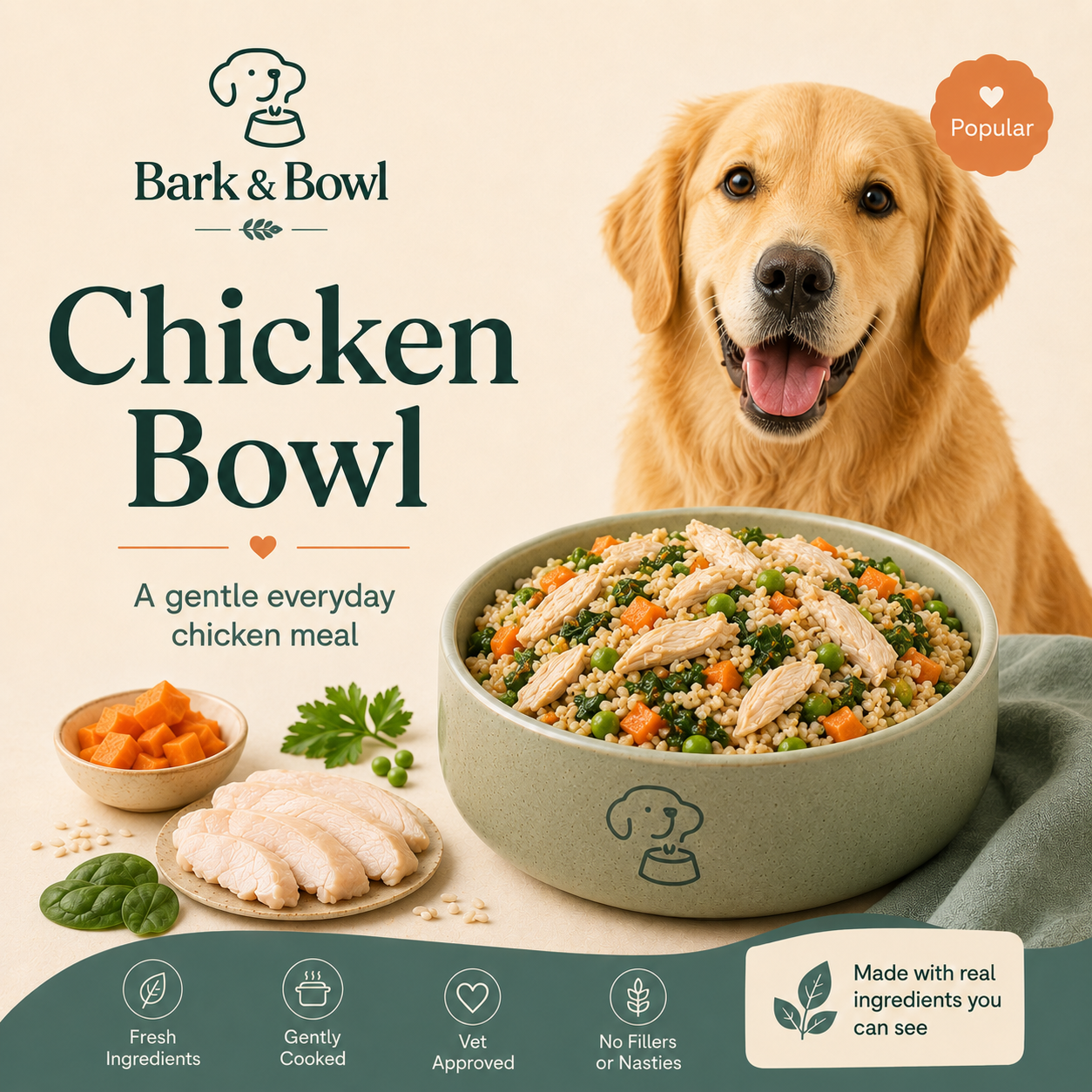
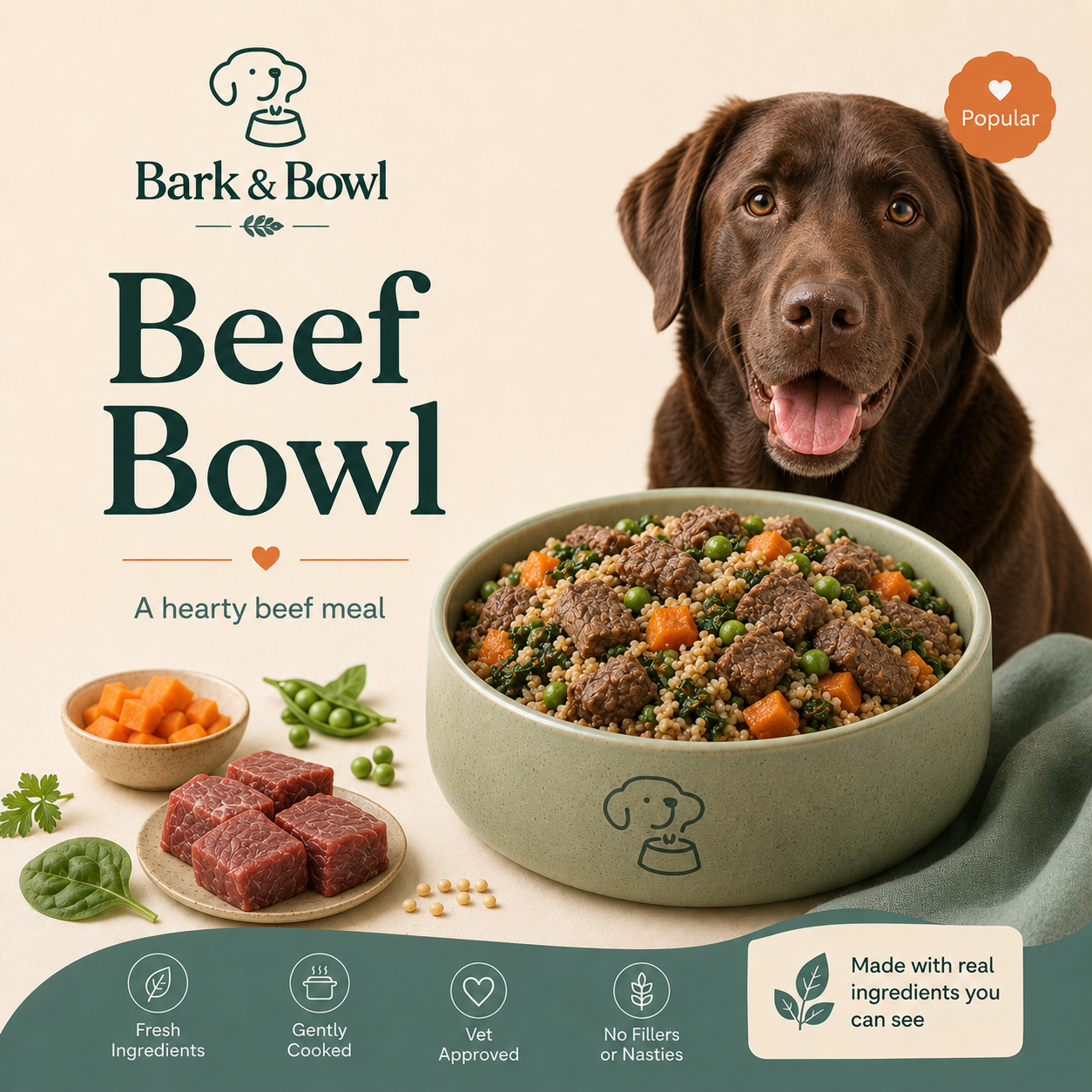
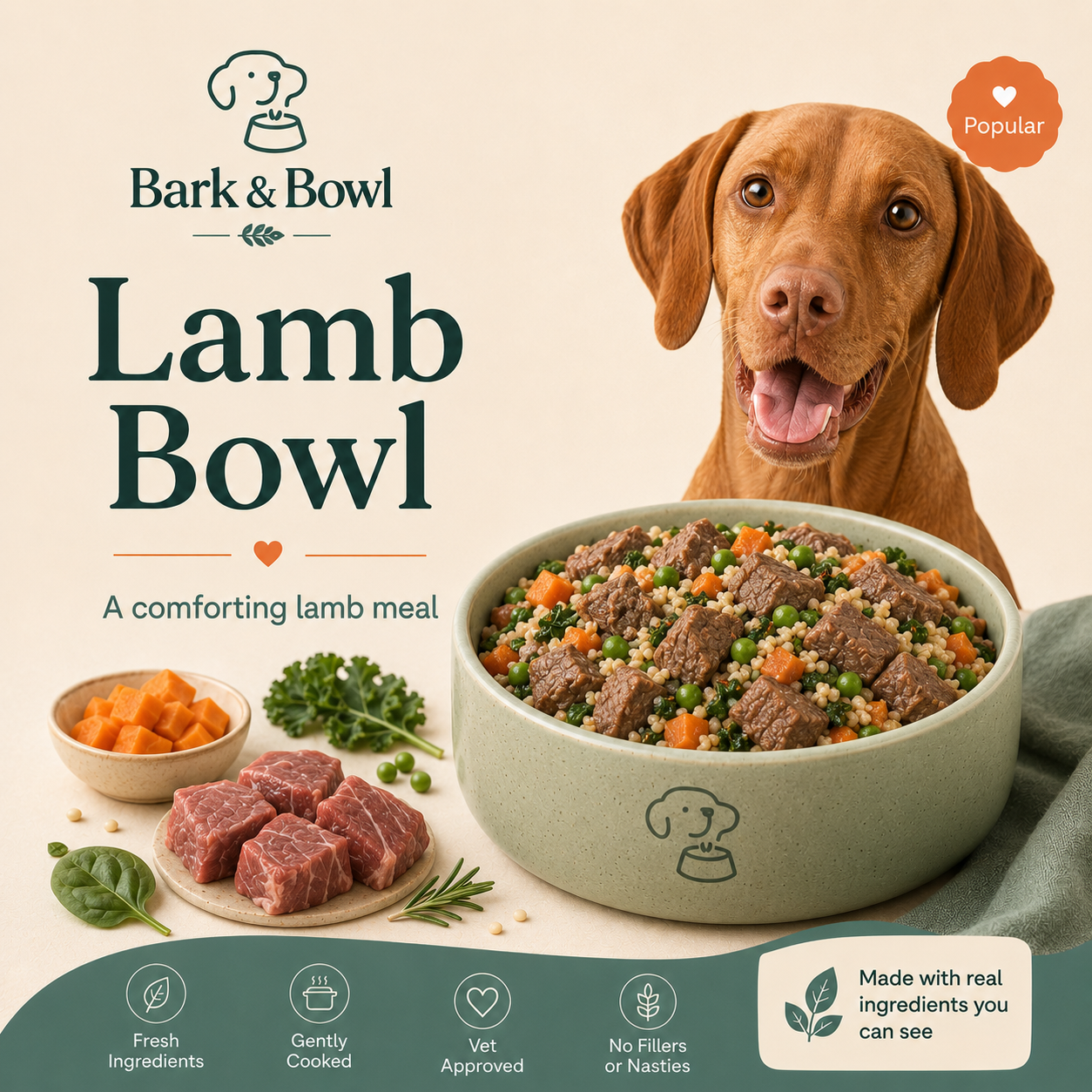
Fresh meals to explore

Built around your dog
Build a plan around your dog
Answer a few quick questions and Bark & Bowl will recommend portions, recipes and delivery rhythm using your dog’s real details.
Questions answered
Still got questions?
Here are the answers customers usually need before building their dog’s fresh plan.
Can Bark & Bowl diagnose food allergies?
No. It can build around known avoids, but it cannot diagnose allergies.
Can I exclude more than one ingredient?
Yes. Add all known avoids before recipe selection.
Are hypoallergenic foods safe for every dog?
No single food is safe for every allergic dog. Suitability depends on the dog’s trigger ingredients.